
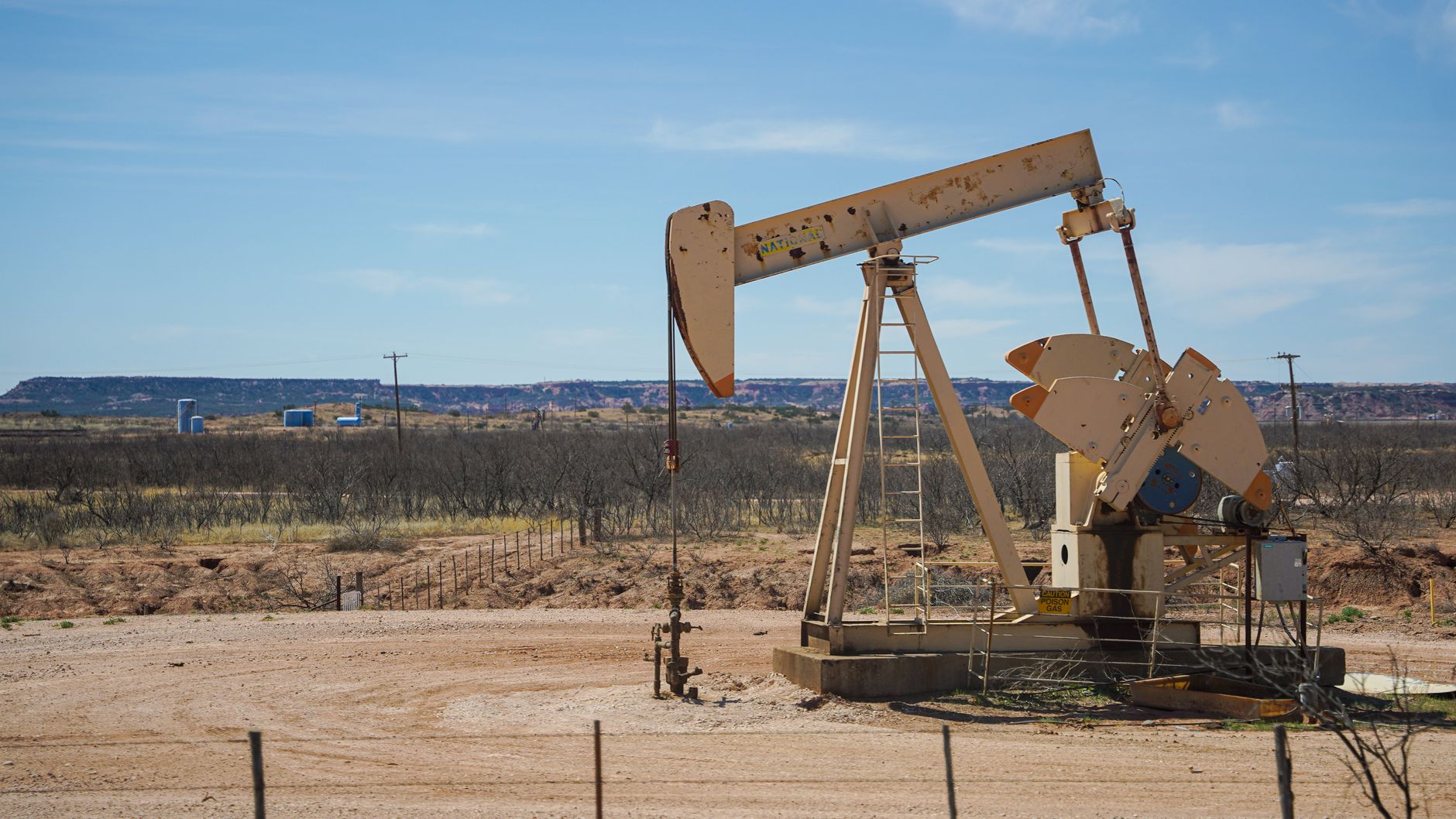
WPI inflation and crude oil are among the key factors to watch this week on Dalal Street. Several economic indicators will influence market movements, making it crucial for investors to stay informed.
Understanding WPI Inflation
WPI inflation, or Wholesale Price Index inflation, is a critical measure that reflects the rate at which the prices of goods sold between producers rise or fall. It serves as an important indicator for assessing the inflationary trends within an economy. Recently, fluctuations in crude oil prices have emerged as one of the key factors influencing WPI inflation.
The relationship between WPI inflation and crude oil is significant due to the latter’s impact on production costs and transportation. When crude oil prices increase, it generally leads to higher costs for manufacturers, which can then pass on these costs to consumers through elevated prices on goods.
Experts suggest that several factors contribute to the current WPI inflation trends:
- Global Oil Prices: Continuous changes in international oil markets directly affect local prices.
- Supply Chain Disruptions: Ongoing global supply chain issues have exacerbated cost pressures.
- Domestic Demand: An increase in consumer demand can also drive prices upward.
Monitoring these elements is essential for understanding the broader economic landscape and making informed decisions.
Impact of Crude Oil Prices
The recent fluctuations in crude oil prices have a significant impact on WPI inflation, which measures the price change in wholesale goods. As crude oil is a major contributor to overall production costs, any rise in oil prices typically leads to increased transportation and manufacturing expenses.
Several factors contribute to the relationship between crude oil prices and WPI inflation:
- Global Demand: As economies recover and demand for oil increases, prices tend to rise, affecting inflation rates.
- Supply Chain Disruptions: Geopolitical tensions or natural disasters can disrupt oil supply, leading to price hikes that influence wholesale inflation.
- Currency Fluctuations: A weaker local currency against the dollar can make oil imports more expensive, further driving WPI inflation.
- Government Policies: Changes in taxation or subsidies related to oil can also impact prices and, consequently, WPI inflation.
In summary, the interplay between crude oil prices and WPI inflation is complex, influenced by both domestic and international factors that warrant close monitoring.
Key Economic Indicators This Week
This week, several key economic indicators are set to shape market sentiment, with a particular focus on WPI inflation and crude oil prices. Analysts are closely monitoring these metrics as they reflect underlying economic conditions.
The following indicators are expected to have a significant impact:
- Wholesale Price Index (WPI): Analysts predict that fluctuations in WPI inflation will provide insights into the broader economic climate, influencing consumer prices and spending.
- Crude Oil Prices: Recent trends indicate that rising crude oil prices could lead to increased transportation and production costs, subsequently affecting WPI inflation.
- Manufacturing Output: Data on manufacturing output will highlight the health of the industrial sector, which is closely tied to WPI trends.
- Consumer Confidence Index: This measure will indicate consumer sentiment and spending habits, potentially revealing how consumers are reacting to changes in WPI inflation and crude oil costs.
- Interest Rates: Any shifts in interest rates announced by the central bank will also be crucial, as they can impact both WPI inflation and investment in energy sectors.
Investors are urged to stay informed as these indicators may influence market movements significantly.
Market Predictions for Dalal Street
As investors look ahead to the coming week, market predictions for Dalal Street are heavily influenced by the ongoing trends in WPI inflation and crude oil prices. Analysts suggest that fluctuations in these areas could significantly impact investor sentiment and market performance.
Among the key factors to watch are:
- Global Crude Oil Prices: Any changes in crude oil prices can lead to shifts in inflation rates, affecting overall market stability.
- Economic Reports: Upcoming economic reports will provide valuable insights into the trajectory of WPI inflation, which is critical for assessing future interest rate adjustments.
- Geopolitical Developments: Events in oil-producing regions can cause volatility in crude prices, directly influencing inflation metrics.
- Market Sentiment: Investor reactions to the reported data will likely dictate short-term movements on Dalal Street.
Market analysts recommend keeping a close eye on both WPI inflation and crude oil developments, as these elements are poised to shape the trading landscape for the week ahead.
Understanding the relationship between WPI inflation and crude oil is crucial for predicting future economic trends. Various factors, including geopolitical tensions and supply chain disruptions, play a significant role in influencing WPI inflation and crude oil prices.
Photo by jayjay13 on Pexels
Where this came from
Related stories
- 8th Pay Commission: Best Proposals for Salary Compression
- Ethereum price drop: Worst proven signals for recovery
- Is Paytm wallet licence the Best Proven Opportunity for Investors?