
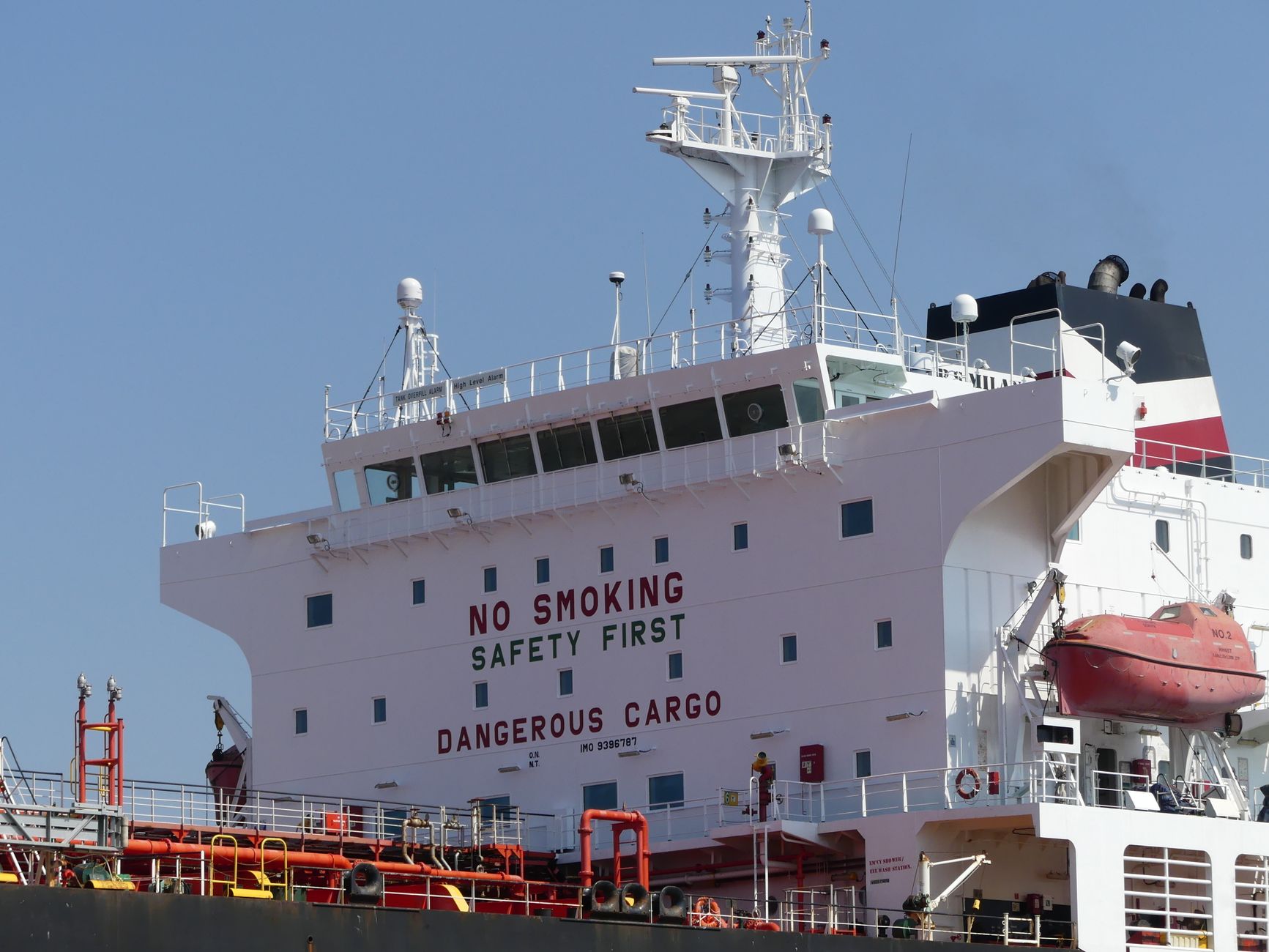
Hormuz passage rules are now more relaxed for Indian ships, addressing growing seafarer safety concerns. This change aims to enhance maritime security in the region.
Understanding the New Hormuz Passage Rules
The recent adjustments to the Hormuz passage rules have raised significant discussions regarding the safety of seafarers navigating this critical waterway. With geopolitical tensions in the region, the Iranian government has taken steps to ease restrictions specifically for Indian vessels, signaling a potential shift in maritime policy.
These changes aim to enhance security and foster better relations between Iran and India, particularly in the context of trade and energy supplies. However, the effectiveness of the new Hormuz passage rules in ensuring seafarer safety remains a topic of debate among maritime experts.
Key aspects of the relaxed rules include:
- Increased communication protocols between ships and Iranian naval authorities.
- Streamlined entry and exit procedures for Indian vessels.
- Enhanced monitoring of maritime activities to prevent incidents.
While these measures are a step in the right direction, concerns linger about the overall safety of seafarers in this tumultuous region. Analysts stress the importance of continuous dialogue and cooperation among nations to develop comprehensive strategies that prioritize safety while navigating the strategic Hormuz Strait.
Impact on Seafarer Safety
The recent relaxation of the Hormuz passage rules has sparked discussions about its impact on seafarer safety. As shipping routes through this strategically vital strait become increasingly congested, ensuring the safety of seafarers is paramount. While the new regulations aim to facilitate smoother transit for vessels, concerns remain regarding the potential risks involved.
Seafarers often face numerous challenges when navigating the Hormuz Strait, including:
- Increased military presence in the region
- Geopolitical tensions that can escalate unexpectedly
- Environmental hazards, such as rough seas and poor visibility
Though the relaxed rules may improve operational efficiency for Indian ships, experts warn that they might also lead to complacency among crews. The balance between enhancing maritime traffic and maintaining strict safety protocols is delicate. As the focus shifts to the new Hormuz passage rules, it remains crucial to prioritize thorough training and preparedness for seafarers.
Ultimately, while the intention behind the updated regulations is to promote smoother navigation, the true test lies in their effectiveness in safeguarding the lives of those who traverse these waters daily.
Why Relaxing Rules Matters
Relaxing the Hormuz passage rules is seen as a vital step towards enhancing the safety of seafarers navigating these crucial waters. The Strait of Hormuz is one of the world’s busiest maritime chokepoints, where the movement of vessels is often complicated by geopolitical tensions. By easing restrictions, authorities aim to reduce the risks faced by ships, particularly those from nations like India that frequently traverse this route.
Seafarers have expressed concerns over the stringent regulations that have previously hindered their operations. Relaxing these rules can lead to several benefits:
- Increased Safety: Fewer restrictions allow for smoother passage, minimizing the potential for accidents or confrontations.
- Enhanced Navigation: With clearer guidelines, ships can navigate more efficiently, reducing travel times and operational costs.
- Improved Relations: Eased regulations can foster better diplomatic ties, promoting cooperation between nations that rely on these routes.
In conclusion, the relaxation of the Hormuz passage rules not only addresses safety concerns but also supports global maritime commerce and diplomatic stability.
The Role of Indian Ships
The recent relaxation of the Hormuz passage rules for Indian ships marks a significant development in maritime safety and international relations. This decision comes at a time when concerns regarding seafarer safety have reached new heights, particularly in politically sensitive waters. Indian ships, which frequently traverse the Strait of Hormuz, are now benefitting from these updated regulations, aimed at enhancing their security.
By easing restrictions, the Iranian authorities are not only fostering better relations with India but also addressing the heightened fears of Indian seafarers. The revised Hormuz passage rules allow for:
- Increased naval presence to ensure protection
- Streamlined communication protocols with local maritime authorities
- Timely information on potential threats in the region
Indian shipping companies are optimistic about these changes, believing they will lead to safer passage and improved trade routes. However, it remains to be seen whether the relaxation will fully mitigate risks that vessels face in these waters. The balance between security and freedom of navigation is critical as stakeholders continue to navigate the complexities of maritime laws in the region.
Insurance Implications for Mariners
The recent changes to the Hormuz passage rules have significant implications for mariner insurance, raising questions about coverage and liability in these waters. Insurers are closely monitoring how these relaxed regulations might affect risk assessments for vessels operating in the Strait of Hormuz.
As the Hormuz passage rules evolve, insurers may need to adjust their policies to reflect new operational realities and potential risks. Mariners must be aware of the following key points:
- Increased Risk Exposure: With a shift in passage regulations, vessels may encounter different hazards, leading to higher premiums.
- Policy Adjustments: Insurers might require updated navigation plans and risk mitigation strategies to remain covered.
- Reputation and Liability: Shipowners must consider how compliance with new rules affects their liability in case of incidents.
- Claims Process: Understanding how these rules impact the claims process is essential for timely compensation in case of disputes.
Ultimately, as mariners navigate the complexities of the Hormuz passage rules, they must also ensure their insurance policies adequately address the evolving landscape of maritime safety and liability.
Future of Maritime Regulations
The future of maritime regulations in the Strait of Hormuz is becoming a critical topic as various stakeholders assess the implications of the newly relaxed passage rules. These changes aim to enhance seafarer safety while balancing geopolitical interests in one of the world’s most vital maritime corridors.
As the global maritime industry evolves, the Hormuz passage rules will likely face further scrutiny. Key considerations include:
- Safety Protocols: Ensuring that seafarers are adequately protected is paramount, and ongoing assessments will be necessary to address safety concerns.
- International Collaboration: Countries bordering the Strait must work together to create a cohesive framework that promotes security and navigational freedom.
- Technological Integration: Advances in navigation and communication technologies could play a significant role in enhancing safety measures in the region.
- Environmental Considerations: As shipping traffic increases, safeguarding marine ecosystems will become increasingly important.
Ultimately, the future of maritime regulations surrounding Hormuz passage rules will depend on a delicate balance between safety, efficiency, and international diplomacy.
Photo by Solvita Vita on Pexels
Sources
Related reading
- Roku acquisition news: Is it the best business move ever?
- Daksham Growth Ventures: Is This the Best New Fund?
- Anubhav Plast IPO GMP: Clear Listing Gain Expectations