
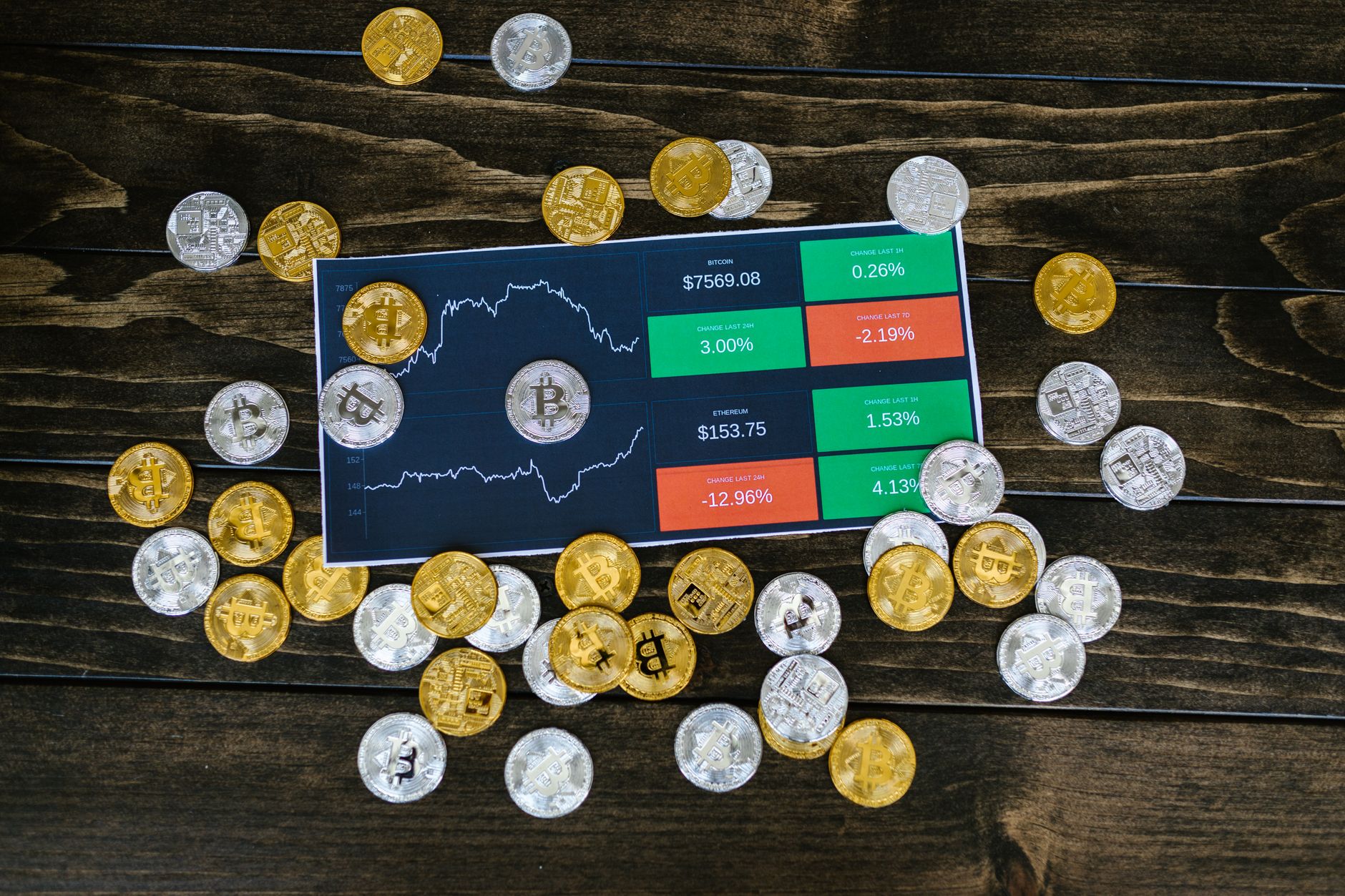
gold silver prices have recently tumbled as hot PPI data raises Fed-hike risks. This shift in the market has significant implications for investors.
Understanding the Recent Drop in Gold Prices
The recent decline in gold and silver prices has raised concerns among investors and market analysts alike. This downturn can be attributed to a series of economic indicators, primarily driven by a hotter-than-expected Producer Price Index (PPI) that suggests rising inflation pressures. As a result, the Federal Reserve is likely to consider further interest rate hikes, which traditionally lead to a decrease in precious metal prices.
Market experts note that the correlation between interest rates and gold silver prices is significant, as higher rates increase the opportunity cost of holding non-yielding assets like gold. The following factors have contributed to the recent changes:
- Higher inflation expectations
- Interest rate hike speculation
- Strengthening U.S. dollar
These elements combined have created a challenging environment for gold and silver, prompting investors to reassess their strategies in light of the evolving economic landscape.
Factors Influencing Silver Price Declines
The decline in silver prices can be attributed to several key factors that have recently emerged in the market.
- Economic Indicators: Recent economic data, particularly a rise in the Producer Price Index (PPI), has raised concerns about inflation and potential interest rate hikes by the Federal Reserve. This has a direct impact on precious metals like silver.
- Investment Trends: Investors are currently shifting their focus towards equities as the stock market shows signs of recovery. This shift often leads to a decrease in demand for safe-haven assets such as gold and silver.
- Market Sentiment: Negative sentiment surrounding the overall economic outlook has also played a role in the decline. As market participants reassess their positions, silver prices are negatively affected.
These factors collectively contribute to the recent drop in gold silver prices, shaping market trends and investor behavior.
Impact of PPI on Federal Reserve Decisions
The recent drop in gold and silver prices has been significantly influenced by the Producer Price Index (PPI) data. Higher PPI readings suggest increasing inflationary pressures, prompting speculation about the Federal Reserve’s next moves. Investors are particularly concerned about the potential for rate hikes, which typically lead to lower demand for non-yielding assets like gold and silver.
As the Fed weighs its options, market analysts predict a tightening monetary policy could further suppress gold silver prices. This has created a ripple effect in the market, with many traders reassessing their positions. Key factors to watch include:
- The upcoming Federal Reserve meetings and their statements.
- Further economic data releases that could impact inflation expectations.
- Global economic conditions that may affect demand for precious metals.
Overall, the interplay between PPI data and Federal Reserve decisions will continue to shape market trends for gold and silver.
Market Reactions to Economic Indicators
The recent fluctuations in gold and silver prices have prompted varied reactions within the market, particularly following the release of recent economic indicators. Investors are closely monitoring these changes, as the hot Producer Price Index (PPI) has heightened concerns regarding potential Federal Reserve rate hikes.
Market analysts note that the drop in precious metal prices may lead to:
- Increased Volatility: Traders are adjusting their strategies in response to the shifting economic landscape.
- Investment Shifts: Some investors may pivot towards equities, seeking better returns amid rising interest rates.
- Heightened Sentiment: The perception of gold and silver as safe-haven assets is being tested as economic pressures mount.
As the market digests these developments, the trajectory of gold and silver prices will likely remain a focal point for investors navigating uncertainty.
Expert Opinions on Future Price Movements
Market experts are weighing in on the recent drop in gold and silver prices, suggesting that the current economic climate could lead to further volatility. Analysts have highlighted several factors that may influence future price movements.
- Inflation Concerns: With rising inflation rates, many investors are turning to precious metals as a hedge, but the recent data has caused uncertainty.
- Federal Reserve Policies: The potential for increased interest rates could strengthen the dollar, making gold and silver less attractive.
- Global Economic Trends: Geopolitical tensions and supply chain disruptions may also play a significant role in shaping the market for these metals.
As gold and silver prices continue to respond to economic indicators, experts caution investors to remain vigilant and adaptable. The interplay between these factors will be crucial in determining the future trajectory of gold and silver prices in the coming months.
Investment Strategies Amid Price Volatility
The recent fluctuations in gold and silver prices have prompted investors to reevaluate their strategies to navigate this volatile market. With the decline in precious metals, many are seeking to optimize their portfolios amidst uncertainty.
Here are some recommended investment strategies:
- Diversification: Investors are encouraged to diversify their holdings by including a mix of assets, such as stocks, bonds, and commodities, to mitigate risks associated with gold and silver price drops.
- Dollar-Cost Averaging: Regularly investing a fixed amount in gold or silver can help reduce the impact of price volatility, allowing investors to purchase more when prices are low.
- Focus on Quality: Investing in high-quality gold and silver products, such as bullion or coins, can provide a more stable value compared to lower-quality alternatives.
As gold and silver prices continue to fluctuate, staying informed and adaptable is crucial for investors looking to succeed in this unpredictable environment.
Historical Trends of Gold and Silver Prices
The historical trends of gold and silver prices reveal significant fluctuations influenced by various economic conditions. Over the past decades, both metals have experienced periods of dramatic highs and lows, often reflecting investor sentiment and global market stability.
Key historical points include:
- 2008 Financial Crisis: Gold prices surged as investors sought safe havens, while silver followed a similar trend but with greater volatility.
- 2011 Peak: Both gold and silver reached record highs, driven by fears of inflation and currency devaluation.
- Post-2016 Trends: Prices stabilized with occasional spikes, mirroring economic recovery and shifts in Federal Reserve policies.
As we analyze the latest drop in gold and silver prices, understanding these historical patterns provides valuable insights into potential future movements and investment strategies.
Conclusion: Navigating the Current Market Landscape
In conclusion, the recent drop in gold silver prices has sent ripples through the financial landscape, prompting investors to reassess their strategies. The influence of rising economic indicators and the potential for Federal Reserve rate hikes have created an environment of uncertainty. As traders navigate this volatility, it is essential to stay informed about market trends and economic forecasts.
Investors are advised to consider several key factors:
- Market Sentiment: Understand how market perceptions can affect prices.
- Diversification: Explore different asset classes to mitigate risks.
- Long-term vs Short-term: Determine whether to engage in short-term trading or long-term holding based on market conditions.
Ultimately, navigating the current market landscape requires a keen awareness of both macroeconomic influences and individual investment goals. Staying informed will be crucial in making sound decisions amidst fluctuating gold silver prices.
The recent fluctuations in gold silver prices have caused investors to reevaluate their strategies. As gold silver prices drop, many are turning to alternative investments to mitigate potential losses.
Photo by RDNE Stock project on Pexels
Read the original
You might also like
Is the Om Galaxy Limited IPO the Best Investment Opportunity? · Nifty 50 Performance: Is It the Best Choice for Investors? · IT stocks crash: The Worst Impact on Investors’ Portfolios